Professional pressure washing is often worth the cost when it helps prevent long-term buildup, protects outdoor surfaces and improves a property’s appearance without the risk of damage that can come from improper DIY cleaning. Whether it makes sense for your situation depends on the surfaces involved, the extent of buildup and how comfortable you are handling the equipment and cleaning solutions yourself.
Homeowners, landlords, business owners and property managers in Hollyville, DE, regularly weigh this decision, especially when facing algae-covered siding, a stained driveway or a patio that has not been cleaned in years. This article looks at when professional service tends to make the most sense, what it can and cannot do, and how to prepare if you decide to move forward. If you’re considering pressure washing services in Hollyville, understanding the benefits and potential risks can help you decide whether professional cleaning is right for your property.
When Professional Cleaning Tends to Make Sense
Certain situations lend themselves well to professional exterior cleaning rather than a DIY approach. These include:
- Seasonal cleaning, such as refreshing a home’s exterior in spring after a wet winter, or preparing outdoor surfaces before fall gatherings.
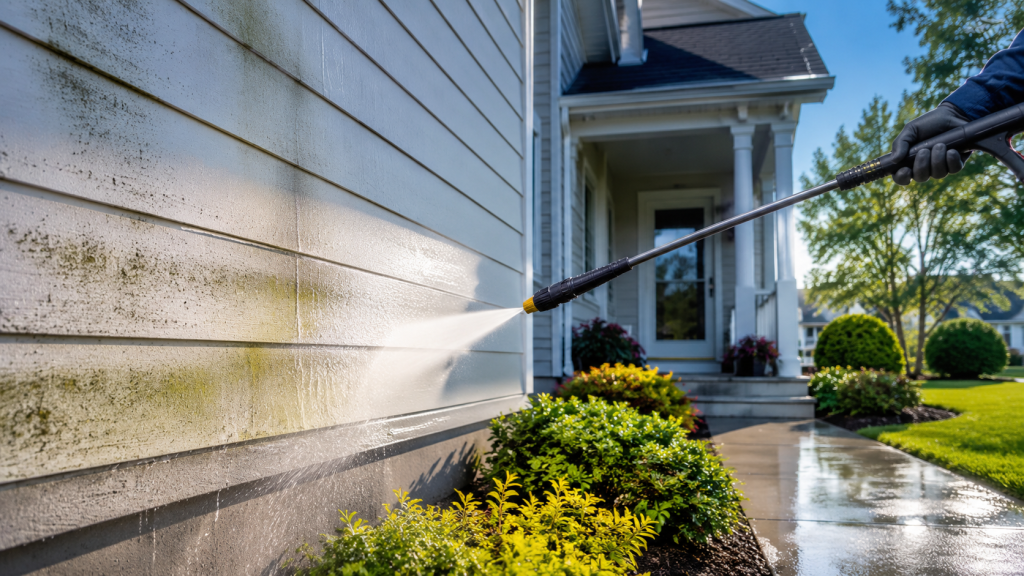
- Algae, mold or mildew buildup, which can spread across siding, roofing, decks and shaded walkways in Hollyville’s climate and often requires the right combination of pressure, cleaning solution and dwell time to remove safely.
- Driveways and walkways before guests arrive, especially ahead of events, holidays or seasonal get-togethers.
- Preparing a home for sale, since a clean exterior can play a meaningful role in a buyer’s first impression.
- Preparing a rental property for new occupants, where landlords and property managers often want a clean, presentable exterior between tenants.
- Patios, decks and fences that have accumulated dirt, algae or grime over time and require a method suited to their specific material.
- Commercial storefronts and properties, where a clean, well-maintained appearance can matter for both customers and compliance with property or lease standards.
- Heavily soiled surfaces, where years of buildup have set in and a standard garden hose or consumer-grade pressure washer is unlikely to make a meaningful difference.
In many of these cases, professional equipment, appropriate cleaning solutions and knowledge of the correct method for each surface can produce a more thorough and safer result than attempting the job independently. This is especially true when a job involves more than one surface type, since a single visit may need to address, for example, a driveway, a set of walkways and a section of siding, each of which calls for a different approach and different equipment settings. Hose Bros Inc. can help property owners evaluate these different cleaning needs and determine an appropriate approach for their exterior surfaces.
Seasonal timing also plays a role. In Hollyville, exterior surfaces tend to collect more moisture-related growth, such as algae and mildew, during wetter and shadier months, while pollen, dust and general grime can build up steadily through the warmer seasons. Scheduling cleaning at a point that matches your property’s particular exposure, whether that’s a shaded north-facing wall or a driveway that collects runoff, can make routine maintenance more effective over time.
What Routine Cleaning Can and Cannot Do
Routine pressure washing offers real maintenance value beyond appearance alone. Regularly cleaning exterior surfaces can help property owners spot problems early, including cracks in concrete, early signs of wood rot, areas where water pools or drains poorly, and spots where mold or mildew keep returning despite cleaning. Catching these issues sooner rather than later can make it easier to address them before they become larger, more costly problems.
At the same time, it’s important to understand the limits of pressure washing. Pressure washing and soft washing clean surfaces, but they do not repair them. Cracked concrete, rotted wood, damaged siding, failing caulking or structural drainage issues are not resolved by cleaning and typically require separate repair work from the appropriate contractor. Results also depend heavily on the surface material, its age and condition, the type of buildup present and the cleaning method used. A well-maintained deck with light dirt will respond differently to cleaning than an older deck with years of embedded grime, and setting realistic expectations up front helps avoid disappointment.
This is one of the reasons a thorough evaluation of the property matters before work begins. A surface that looks uniformly dirty from a distance may actually have several different issues at play, such as one section with heavier algae growth, another with old oil staining and a third that’s simply dusty. Understanding the difference between what cleaning can restore and what may require a repair, a sealant, a repaint or replacement helps property owners set a realistic budget and timeline, both for the cleaning itself and for any follow-up work the property might need.
The Risks of DIY Pressure Washing
Consumer-grade pressure washers are widely available for rent or purchase, and DIY cleaning can be appropriate for small, low-risk jobs. However, using excessive pressure or the wrong cleaning solution on the wrong surface carries real risk, including:
- Siding damage, such as stripped paint, cracked panels or water intrusion behind siding if pressure is applied incorrectly, particularly around windows, doors and seams.
- Wood damage, including splintering, gouging or “fuzzing” of the wood grain on decks and fences when too much pressure is used.
- Roofing damage, such as dislodged or damaged shingles and granule loss, which can shorten a roof’s lifespan and potentially void manufacturer warranties.
- Concrete and brick damage, including etching or surface pitting when pressure and technique are not matched to the material.
- Painted surface damage, where high pressure can peel or chip paint that would otherwise still be serviceable.
These risks are one of the main reasons professional service can be worth the added cost for certain surfaces and situations, particularly delicate materials that call for soft washing rather than direct high pressure. A trained approach accounts for the surface material, its condition and the correct pressure and cleaning solution needed to clean it safely.
Beyond the physical risks to a surface, there’s also the matter of results. Rental equipment often comes with limited settings and generic cleaning solutions that aren’t matched to a specific type of buildup, which can mean spending significant time and effort on a job that still doesn’t fully remove stubborn algae, mold or oil staining. For a single small area, this trade-off may be worth it. For larger jobs, multiple surface types or buildup that has been building for years, the time, effort and risk involved can make professional service the more practical option, both for the outcome and for protecting the surface itself.
How to Prepare for a Professional Pressure-Washing Visit
If you decide professional service is the right choice, a bit of preparation can help the job go smoothly:
- Move outdoor furniture, planters, grills and decorations away from the areas being cleaned, or ask ahead of time whether this is something the company will handle.
- Secure windows and doors to help prevent water intrusion, especially on older homes or homes with older seals.
- Keep pets indoors during the service for their safety and comfort, since cleaning solutions and equipment noise can be disruptive.
- Identify problem areas ahead of time, such as heavy algae growth, oil stains or spots that have been difficult to clean in the past, so the contractor can address them specifically.
- Ensure access to the property, including gate codes, parking arrangements or any details the crew will need to reach all the surfaces being cleaned.
Taking these steps ahead of time helps the visit go efficiently and reduces the chance of surprises for both you and the crew. If you’re ready to discuss your property’s cleaning needs, you can contact Hose Bros Inc. to ask about scheduling and getting an estimate.
Questions to Ask Before Booking a Pressure-Washing Service
Before scheduling service, it’s worth asking a few questions to make sure you understand exactly what’s included:
- What surfaces are included in the estimate?
- What cleaning method will be used for each surface, and is soft washing appropriate for any of them?
- Are detergents or special treatments included in the price, or are they billed separately?
- Are difficult stains, such as oil or rust, handled separately from the standard cleaning?
- Is moving furniture or outdoor items included as part of the service?
- Are there any additional charges that could apply once the crew arrives?
- Does the company provide a written estimate outlining the scope of work?
Asking these questions up front, and getting clear answers, helps you understand exactly what you’re paying for and reduces the likelihood of misunderstandings once the job is underway. For more detail on how these factors typically shape pricing, you can review the factors behind pressure-washing prices in Hollyville.
Weighing the Value for Your Property
Ultimately, whether professional pressure washing is worth the cost comes down to the specific surfaces involved, how much buildup has accumulated and what you’re hoping to accomplish. A homeowner dealing with light dirt on a small patio may reasonably handle that with basic equipment. A property with algae-covered siding, an oil-stained commercial lot or a deck that hasn’t been cleaned in years is a different situation, where the risk of DIY damage and the difficulty of achieving a thorough result make professional service a more practical option.
For landlords and property managers, routine cleaning between tenants or as part of a broader maintenance schedule can also help preserve a property’s condition and appearance over time, which matters both for leasing and for the long-term upkeep of exterior surfaces. A property that’s cleaned on a consistent schedule tends to require less intensive work at each visit than one where buildup is allowed to accumulate for years, since lighter, more frequent cleaning is generally easier to manage than removing deeply set-in grime, algae or staining after a long gap.
Business owners maintaining a storefront often find that a clean, well-kept exterior supports the overall impression their property makes on customers and visitors. A well-maintained entrance, parking area and walkway can contribute to how a business is perceived before a customer ever walks through the door, and neglected exteriors, including stained sidewalks, grimy storefront glass surrounds or algae-covered walls, can have the opposite effect. For multi-tenant or multi-location property managers, keeping a consistent cleaning schedule across properties can also make it easier to budget for maintenance and spot developing issues, such as drainage problems or areas of a building that consistently collect more buildup than others, before they become larger concerns.
Frequently Asked Questions
1. Can pressure washing fix damaged siding, wood or concrete? No. Pressure washing and soft washing clean surfaces, but they don’t repair structural issues such as cracked concrete, rotted wood or damaged siding. Those problems require separate repair work from the appropriate contractor.
2. Is it safe to pressure wash my own home? It can be appropriate for small, low-risk jobs, but using excessive pressure or the wrong cleaning solution on the wrong surface can cause damage to siding, wood, roofing or painted surfaces. Delicate materials often call for soft washing rather than standard high-pressure cleaning.
3. How should I prepare for a professional pressure-washing appointment? Move outdoor furniture and decorations away from the work area, secure windows and doors, keep pets indoors and let the company know about any specific problem areas ahead of time. Confirming access to the property in advance also helps the visit go smoothly.