
HOSE BROS INC.
Expert Pressure Washing In Dagsboro, DE

At Hose Bros Inc., Dagsboro pressure washing starts with a thorough site review to pinpoint the best strategy. Our experts check exteriors, pavements, lots, and entrances for accumulations of filth, oil marks, mold, and residue.
- Insured & Licensed
- Top Rated Local Business
Contact Us
Need any help?
Ready to transform the look of your property? Contact Hose Bros Inc. today or fill out our online form to get a free quote.
Why Residents of Dagsboro Choose Hose Bros Inc. for Pressure washing
Residents and business owners in Dagsboro trust Hose Bros Inc because of the company’s strong local reputation and commitment to delivering reliable pressure washing services. As a locally owned business with deep roots in the community, the team understands the unique challenges that properties in the area face, such as coastal humidity, mold, pollen, and salt buildup. With more than 15 years of experience serving Dagsboro and the surrounding areas, their licensed and insured technicians provide customised cleaning solutions designed to protect and restore commercial surfaces. Their expertise ensures that businesses receive safe, effective cleaning that improves the overall appearance and longevity of their property.
Another reason residents choose Hose Bros Inc for pressure washing is the company’s commitment to quality, safety, and environmentally responsible practices. The team uses advanced commercial-grade equipment along with biodegradable cleaning solutions that effectively remove grease, dirt, algae, and other contaminants without damaging surfaces or landscaping. Their technicians follow strict safety standards and provide transparent pricing, dependable scheduling, and a 100% satisfaction guarantee. This focus on professionalism and customer care has helped the company earn the trust of many Dagsboro businesses that rely on dependable pressure washing to maintain a clean, welcoming, and professional environment year-round.
What Customers Say About Us!
EXCELLENTTrustindex verifies that the original source of the review is Google. Hose Bros. did an excellent job pressure washing my mom's house. When I initially contacted them for a quote, Sean responded within minutes. When we talked, Sean set expectations on what to expect. He also double checked the house was the correct one upon arrival. I will definitely use the Hose Bros. again and highly recommend them.Posted on GoogleTrustindex verifies that the original source of the review is Google. Roof cleaning came out incredible. We had those dark streaky stains running down the shingles that you see on a lot of homes near the bay. They used a low pressure soft wash so nothing got damaged and within a few days as it dried you could really see the full result. Looks like a completely different house from the street.Posted on GoogleTrustindex verifies that the original source of the review is Google. We manage a few short-term rentals in Rehoboth Beach and keeping the exteriors clean between peak season bookings is always a challenge. Found Hose Bros Inc through a neighbor's recommendation and decided to try them on our place off Coastal Highway first. The difference after one visit was honestly shocking — years of salt air grime, mildew on the siding and dark staining on the concrete all gone. They were fast, careful around our outdoor furniture and the eco-friendly solutions they use didn't leave any chemical smell near the entrance which guests always notice. Now we have them on a regular schedule for all three properties. Best exterior cleaning company we've used down here by far.Posted on GoogleTrustindex verifies that the original source of the review is Google. I honestly wasn't sure soft washing was worth the extra conversation but our cedar siding home near Indian River Bay had years of salt buildup and some pretty stubborn black streaking. A neighbor on our street had used Hose Bros Inc and the results were obvious so we finally called. They came out for a free quote, explained exactly what they'd use on the cedar and why high pressure would damage it. The actual cleaning day was fast, thorough and they protected all our landscaping around the foundation. The house looks like it did when we first moved in. I wish we had called years ago honestly.Posted on GoogleTrustindex verifies that the original source of the review is Google. The algae on our roof off Route 26 had been bothering us for two summers. One soft wash visit and it was gone. Really glad we didn't wait another season.Posted on GoogleTrustindex verifies that the original source of the review is Google. Easy to work with and did a real nice job.Posted on GoogleTrustindex verifies that the original source of the review is Google. Our Dewey Beach rental needed a full exterior wash before the summer season kicked in. They handled the siding, deck and driveway in one visit. RecommendedPosted on GoogleTrustindex verifies that the original source of the review is Google. They did a great job in a timely manor. Also cleaned our deck.Posted on GoogleTrustindex verifies that the original source of the review is Google. Excellent job-very thorough and conscientious. Hose Bros. are easy to work with and they did a great job. Responsive to texts and phone calls. They also requested that I mention that they are very handsome!!!😁Posted on GoogleTrustindex verifies that the original source of the review is Google. We recently used Hose Brothers Exterior House Cleaning Service and could not be more pleased with the experience. They were professional, friendly, and extremely easy to work with from start to finish. Their pricing was very fair, and the quality of the work exceeded our expectations. Our home looks fantastic after the cleaning, and it is clear they take pride in what they do. We give Hose Brothers five stars and highly recommend them to anyone looking for reliable, high-quality exterior house cleaning services.
Professional Pressure Washing
in Dagsboro, DE
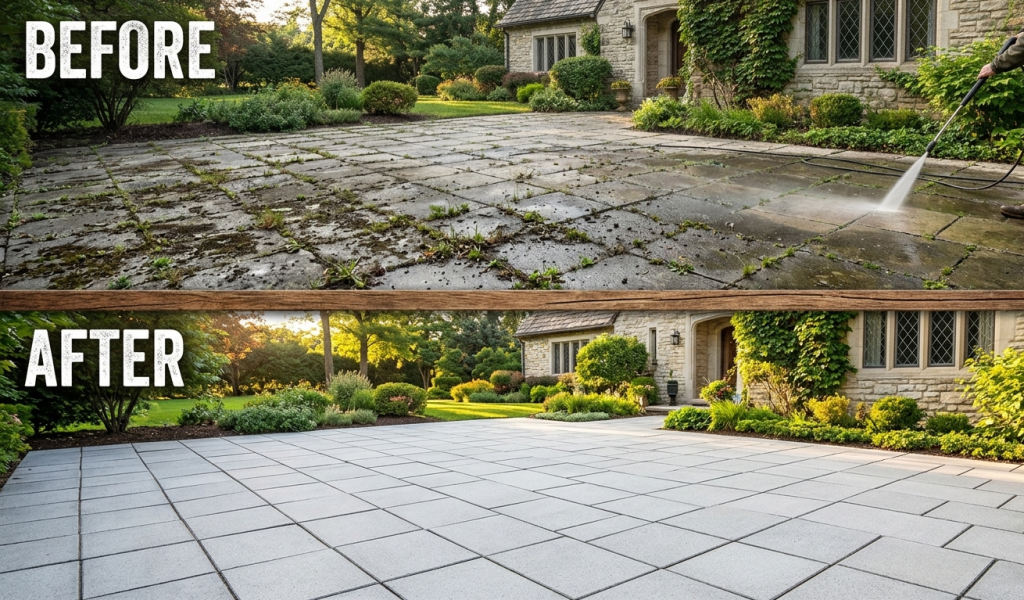
When it comes to keeping your property in Dagsboro looking its best, professional exterior cleaning makes all the difference, and Hose Bros Inc. delivers exceptional pressure washing services you can trust. Based in Sussex County at 38 Comanche Circle, Hose Bros Inc. is a fully licensed and insured local expert with over a decade of experience refreshing homes and businesses throughout Dagsboro and surrounding communities. Their professional pressure washing services are designed to remove stubborn dirt, mold, mildew, and grime from a wide range of surfaces. From clean, bright driveways and patios to revitalised siding, walkways, decks, and fences cleaning Hose Bros Inc. uses industry‑grade equipment and eco‑friendly solutions that protect your investment while enhancing curb appeal. Pressure washing isn’t just cosmetic; it also prevents long‑term surface deterioration and helps maintain property value. Residential and commercial clients alike appreciate the company’s transparent pricing, tailored cleaning plans, and commitment to customer satisfaction backed by positive local reviews reflecting high ratings. Whether you’re preparing a home for sale, refreshing a vacation rental, or maintaining a busy business frontage, Hose Bros Inc. brings professional pressure washing expertise right to your doorstep in Dagsboro, DE.
Local Pressure Washing Expertise Dagsboro DE
How Much Does Pressure Washing Cost in Dagsboro, DE?
Pressure washing costs in Dagsboro, DE can vary based on the size of the area, surface type, level of dirt or buildup, and whether additional treatments are needed for mold, algae, oil, or stains. Smaller residential projects may cost a few hundred dollars, while larger homes, driveways, commercial properties, or multiple-surface cleaning projects can cost more. Hose Bros Inc notes that an accurate price depends on a site review and the specific cleaning requirements rather than applying one flat rate to every property.
Hose Bros Inc provides pressure washing and soft washing services in Dagsboro, DE, including cleaning for exteriors, pavements, lots, entrances, driveways, patios, decks, fences, and other surfaces. The company begins with a property assessment to determine the appropriate cleaning method and provides a free quote based on the scope of work. Customers can contact Hose Bros Inc to discuss their property and receive project-specific pricing.
Lorem ipsum dolor sit amet, consectetur adipiscing elit. Ut elit tellus, luctus nec ullamcorper mattis, pulvinar dapibus leo.
How Do I Choose a Pressure Washing Company in Dagsboro, DE?
When choosing a pressure washing company in Dagsboro, DE, look at experience, licensing and insurance, cleaning methods, service range, communication, and how the company evaluates the property before starting work. It is also useful to ask whether the company uses pressure washing, soft washing, or another method based on the surface being cleaned. A clear quote should explain the recommended service and what is included. For homes and businesses near the coast, the cleaning approach may also need to account for conditions such as humidity, mold, pollen, and salt buildup.
Hose Bros Inc provides pressure washing and soft washing services in Dagsboro, DE, with services covering areas such as driveways, sidewalks, patios, siding, decks, fences, roofs, gutters, and other exterior surfaces. The company states that its process begins with a property assessment to determine whether pressure washing, soft washing, or a combination of methods is appropriate. Hose Bros Inc. is also listed as licensed and insured and offers free quotes for customers considering exterior cleaning services.
Why Choose Hose Bros Inc.

Local Knowledge That Works
We know the exact techniques needed for Dagsboro properties, whether it’s a historic cottage or a modern commercial space. Our services are designed for the challenges that come with sea air and sandy soil.
Commercial Pressure Washing Every Surface Dagsboro
We offer both soft wash cleaning services and high-pressure cleaning, using biodegradable products that are tough on grime but gentle on your siding, trim, and landscaping.
Honest, Professional Service
From the moment we arrive to the final walkthrough, you’ll get honest advice, clear communication, and respectful care from our trained technicians.
Ready for a Spotless Home? Contact Hose Bros Today!
At Hose Bros Inc., we believe that a clean property reflects pride in one’s community.
Our Proven Process – Pressure Washing Made Simple
Free Assessment
We inspect your property and suggest whether you need soft wash services, pressure washing, or a combination of both.
Commercial Pressure Washing Custom Quote Dagsboro
Based on your goals and surfaces, we offer a transparent quote with no hidden fees.
Commercial Pressure Washing Prep Protection Dagsboro
We take care to cover landscaping, secure delicate fixtures, and prep your property thoroughly.
Commercial Pressure Washing Execution Dagsboro DE
Our trained team performs your chosen service be it power washing service, soft washing, or sealingwith attention to detail.
Pressure Washing Walkthrough Inspection Dagsboro
Before we leave, we confirm the quality of our work and ensure you’re 100% satisfied.
Commercial Pressure Washing Maintenance Dagsboro
Ask us about seasonal upkeep plans for your home pressure washing service or business.
How do I remove green algae from my house with pressure washing in Dagsboro, DE?
If you’ve noticed green algae growing on your home’s siding, brick, or other exterior surfaces in Dagsboro, DE, you’re not alone. Sussex County’s humid climate, regular rainfall, and shaded properties create ideal conditions for algae to thrive. While pressure washing can help remove algae from some hard surfaces, it’s not always the safest solution for every part of your home. The best way to remove green algae depends on the material being cleaned and the severity of the buildup. Hose Bros Inc provides professional exterior cleaning services throughout Dagsboro and surrounding Sussex County communities. Every property is evaluated to determine whether pressure washing or soft washing is the most appropriate cleaning method based on the surface being cleaned. Rather than relying on high pressure for every job, Hose Bros Inc uses the cleaning method that best removes algae while helping protect your home’s exterior. If your siding, driveway, patio, or walkways are covered with green algae, Hose Bros Inc can restore their appearance with professional pressure washing and soft washing services designed for your property’s specific needs
Book Your Dagsboro Pressure Washing Today
Make your home or business shine again with trusted Dagsboro commercial pressure washing from Hose Bros Inc. Whether you’re battling mold on your siding or need a full-property refresh, we’ve got the tools and experience to do it right.
Call now or request a free quote online for high-quality pressure washing Dagsboro property owners count on year-round.
Call Us
302-945-9470
Email Us
Info@HoseBrosInc.com
Working Hours
8:00AM-5:00PM (We will cater to anyone’s schedule if off hour work is needed)
Contact Us
Frequently Asked Questions
Pressure washing in Dagsboro, DE usually depends on the size of the property, the type of surface, and how much buildup is present. A thorough site review is the best way to price exterior walls, driveways, sidewalks, lots, and entrances accurately. Hose Bros Inc. emphasizes free quotes, and that kind of transparent estimate helps avoid surprises. In our experience, oil stains, mold, and heavy residue often require more time and specialized detergents, so licensed and insured pros should inspect first. Top-rated local providers also make it easier to compare value, not just price.
Pressure washing in Dagsboro, DE can clean many exterior surfaces safely when the right pressure, nozzle, and cleaning solution are used. Common examples include siding, concrete, brick, patios, sidewalks, parking lots, and entryways. Hose Bros Inc. notes that a proper site review helps identify the best strategy for each surface, which is important because soft materials and heavily soiled areas need different treatment. In professional hands, pressure washing removes dirt, mold, oil marks, and residue without unnecessary damage. A licensed and insured crew is the safest choice for mixed-surface properties.
Most pressure washing in Dagsboro, DE is scheduled once or twice a year, but the ideal timing depends on humidity, foot traffic, and how quickly grime returns. Coastal weather can make mold, algae, and residue show up faster on siding, pavement, and entrances. Hose Bros Inc. recommends starting with a full property review so the cleaning interval matches the actual condition of the surface. In our experience, commercial lots and busy walkways often need more frequent service than low-traffic areas. A top-rated, insured provider can help set a maintenance plan that protects curb appeal year-round.
For many siding projects in Dagsboro, DE, soft washing is often better than high-pressure washing because it uses lower pressure and targeted detergents to lift dirt, mold, and mildew safely. High pressure can damage vinyl, painted wood, and delicate trim if it is not controlled correctly. Hose Bros Inc. starts with a thorough site review to decide whether pressure washing or soft washing is the right method. In professional practice, the goal is to clean deeply while preserving finishes. A licensed and insured team should always match the method to the material.
Pressure washing in Dagsboro, DE can take anywhere from under an hour for a small driveway to several hours for a storefront, parking lot, or larger commercial property. The timeline depends on square footage, stain severity, surface type, and how much prep work is needed. Hose Bros Inc. begins with a detailed review of exteriors, pavements, and entrances, which helps create a realistic schedule before work starts. In our experience, heavy oil marks or deep buildup add time, but professional equipment and a trained crew keep the job efficient. A clear estimate is always best.
You usually do not need to be home during pressure washing in Dagsboro, DE as long as the crew has access to the areas being cleaned and any necessary water source. For commercial pressure washing, property managers often provide access and then let the team work independently. Hose Bros Inc. recommends a pre-service walkthrough so the scope, surfaces, and problem spots are clearly identified before the job begins. That kind of preparation supports safe, efficient service from a licensed and insured local company. Many customers appreciate the convenience and the straightforward communication.
Yes, pressure washing in Dagsboro, DE can remove mold, mildew, algae, and other organic buildup when the right cleaning process is used. On some surfaces, a pre-treatment and controlled wash are more effective than blasting with high pressure alone. Hose Bros Inc. looks for mold, oil marks, and residue during its initial site review so the treatment fits the problem. In practice, that approach protects surfaces while improving appearance and sanitation. For long-lasting results, a licensed, insured crew should use proven methods rather than relying on water pressure alone.
Pressure washing is generally very safe for concrete driveways and sidewalks in Dagsboro, DE when handled by trained professionals using the proper tip, distance, and cleaning solution. Concrete is durable, but too much pressure can still etch the surface or leave streaks. Hose Bros Inc. uses a thorough property review to assess pavement condition, stains, and buildup before starting. In our experience, concrete with oil marks or heavy residue may need detergent and dwell time for the best finish. A licensed and insured crew helps ensure the job is both effective and safe.
Before pressure washing in Dagsboro, DE, it helps to clear furniture, planters, vehicles, and other loose items from the work area. Close windows, secure pets, and point out any delicate surfaces or problem spots during the walkthrough. Hose Bros Inc. starts with a thorough site review, which helps the crew choose the right strategy for exteriors, pavements, lots, and entrances. In our experience, good prep makes the cleaning faster and more effective. A professional, top-rated local business should also explain any special precautions before the wash begins.
When hiring for pressure washing in Dagsboro, DE, look for a company that is licensed, insured, and transparent about its process and pricing. It also helps to choose a provider that does a site review before quoting, because exteriors, pavements, and entrances all need different approaches. Hose Bros Inc. highlights being insured and licensed, plus top-rated locally, which are strong trust signals for homeowners and businesses. In our experience, clear communication, free quotes, and a plan tailored to visible stains or residue usually lead to better results and fewer headaches.
Yes, pressure washing in Dagsboro, DE can make a major difference in curb appeal for storefronts, offices, restaurants, and other commercial properties. Clean sidewalks, entryways, lots, and building exteriors send a strong first impression and can make the entire property look better maintained. Hose Bros Inc. focuses on commercial pressure washing and starts with a detailed site review to identify dirt, oil marks, mold, and residue. In our experience, that targeted approach improves both appearance and customer confidence. A licensed, insured, top-rated crew is especially valuable for business properties.
Pressure washing in Dagsboro, DE can damage paint, siding, or roofing if the pressure is too high or the method is wrong for the material. That is why a site review and the correct cleaning strategy matter so much. Hose Bros Inc. evaluates surfaces first and chooses the safest approach for each exterior, whether it is a wall, pavement, entrance, or other feature. In professional hands, the right combination of pressure, detergents, and technique removes grime without stripping finishes. Always choose a licensed and insured provider for delicate surfaces.
If your driveway or patio in Dagsboro, DE looks dull, slippery, stained, or streaked with mold, algae, or oil marks, it probably needs pressure washing. Visible buildup is often the clearest sign, but even lightly soiled concrete can hold grime that makes the whole property look older. Hose Bros Inc. says its process begins with a thorough site review, which is the best way to confirm the level of cleaning needed. In our experience, regular pressure washing keeps hardscapes safer underfoot and better looking. A licensed local team can spot issues before they become harder to remove.
Pressure washing and power washing in Dagsboro, DE are often used interchangeably, but power washing typically refers to using heated water while pressure washing usually relies on high-pressure water without heat. Both methods can be effective for exteriors, pavements, lots, and entrances when matched to the right surface and buildup. Hose Bros Inc. begins with a site review so the chosen method fits the material and the level of grime. In our experience, hot water can help with oil marks and stubborn residue, while standard pressure washing works well for many routine cleanings. Use a licensed, insured pro for the safest results.
Yes, pressure washing in Dagsboro, DE can help remove oil stains from parking lots, but the best results usually come from a combination of pretreatment, dwell time, and professional-grade equipment. Simple rinsing rarely removes embedded petroleum spots or long-set residue. Hose Bros Inc. specifically reviews lots, pavements, and entrances to identify the worst stains before starting, which is important for commercial properties. In our experience, a targeted cleaning plan works much better than a generic rinse. A top-rated, licensed, and insured crew can improve both the look and safety of the lot.