
HOSE BROS INC.
Expert Pressure Washing In Millsboro, DE

At Hose Bros Inc., Millsboro pressure washing starts with a thorough site review to pinpoint the best strategy. Our experts check exteriors, pavements, lots, and entrances for accumulations of filth, oil marks, mold, and residue.
- Insured & Licensed
- Top Rated Local Business
Contact Us
Need any help?
Ready to transform the look of your property? Contact Hose Bros Inc. today or fill out our online form to get a free quote.
Why Residents of Millsboro Choose Hose Bros Inc. for Pressure washing
Residents and business owners in Millsboro trust Hose Bros Inc because of the company’s strong local reputation and commitment to delivering reliable pressure washing services. As a locally owned business with deep roots in the community, the team understands the unique challenges that properties in the area face, such as coastal humidity, mold, pollen, and salt buildup. With more than 15 years of experience serving Millsboro and the surrounding areas, their licensed and insured technicians provide customised cleaning solutions designed to protect and restore commercial surfaces. Their expertise ensures that businesses receive safe, effective cleaning that improves the overall appearance and longevity of their property.
Another reason residents choose Hose Bros Inc for pressure washing is the company’s commitment to quality, safety, and environmentally responsible practices. The team uses advanced commercial-grade equipment along with biodegradable cleaning solutions that effectively remove grease, dirt, algae, and other contaminants without damaging surfaces or landscaping. Their technicians follow strict safety standards and provide transparent pricing, dependable scheduling, and a 100% satisfaction guarantee. This focus on professionalism and customer care has helped the company earn the trust of many Millsboro businesses that rely on dependable pressure washing to maintain a clean, welcoming, and professional environment year-round.
What Customers Say About Us!
EXCELLENTTrustindex verifies that the original source of the review is Google. Hose Bros. did an excellent job pressure washing my mom's house. When I initially contacted them for a quote, Sean responded within minutes. When we talked, Sean set expectations on what to expect. He also double checked the house was the correct one upon arrival. I will definitely use the Hose Bros. again and highly recommend them.Posted on GoogleTrustindex verifies that the original source of the review is Google. Roof cleaning came out incredible. We had those dark streaky stains running down the shingles that you see on a lot of homes near the bay. They used a low pressure soft wash so nothing got damaged and within a few days as it dried you could really see the full result. Looks like a completely different house from the street.Posted on GoogleTrustindex verifies that the original source of the review is Google. We manage a few short-term rentals in Rehoboth Beach and keeping the exteriors clean between peak season bookings is always a challenge. Found Hose Bros Inc through a neighbor's recommendation and decided to try them on our place off Coastal Highway first. The difference after one visit was honestly shocking — years of salt air grime, mildew on the siding and dark staining on the concrete all gone. They were fast, careful around our outdoor furniture and the eco-friendly solutions they use didn't leave any chemical smell near the entrance which guests always notice. Now we have them on a regular schedule for all three properties. Best exterior cleaning company we've used down here by far.Posted on GoogleTrustindex verifies that the original source of the review is Google. I honestly wasn't sure soft washing was worth the extra conversation but our cedar siding home near Indian River Bay had years of salt buildup and some pretty stubborn black streaking. A neighbor on our street had used Hose Bros Inc and the results were obvious so we finally called. They came out for a free quote, explained exactly what they'd use on the cedar and why high pressure would damage it. The actual cleaning day was fast, thorough and they protected all our landscaping around the foundation. The house looks like it did when we first moved in. I wish we had called years ago honestly.Posted on GoogleTrustindex verifies that the original source of the review is Google. The algae on our roof off Route 26 had been bothering us for two summers. One soft wash visit and it was gone. Really glad we didn't wait another season.Posted on GoogleTrustindex verifies that the original source of the review is Google. Easy to work with and did a real nice job.Posted on GoogleTrustindex verifies that the original source of the review is Google. Our Dewey Beach rental needed a full exterior wash before the summer season kicked in. They handled the siding, deck and driveway in one visit. RecommendedPosted on GoogleTrustindex verifies that the original source of the review is Google. They did a great job in a timely manor. Also cleaned our deck.Posted on GoogleTrustindex verifies that the original source of the review is Google. Excellent job-very thorough and conscientious. Hose Bros. are easy to work with and they did a great job. Responsive to texts and phone calls. They also requested that I mention that they are very handsome!!!😁Posted on GoogleTrustindex verifies that the original source of the review is Google. We recently used Hose Brothers Exterior House Cleaning Service and could not be more pleased with the experience. They were professional, friendly, and extremely easy to work with from start to finish. Their pricing was very fair, and the quality of the work exceeded our expectations. Our home looks fantastic after the cleaning, and it is clear they take pride in what they do. We give Hose Brothers five stars and highly recommend them to anyone looking for reliable, high-quality exterior house cleaning services.
Professional Pressure Washing
in Millsboro, DE
When it comes to keeping your property in Millsboro looking its best, professional exterior cleaning makes all the difference, and Hose Bros Inc. delivers exceptional pressure washing services you can trust. Based in Sussex County at 38 Comanche Circle, Hose Bros Inc. is a fully licensed and insured local expert with over a decade of experience refreshing homes and businesses throughout Millsboro and surrounding communities. Their professional pressure washing services are designed to remove stubborn dirt, mold, mildew, and grime from a wide range of surfaces. From clean, bright driveways and patios to revitalised siding, walkways, decks, and fences cleaning Hose Bros Inc. uses industry‑grade equipment and eco‑friendly solutions that protect your investment while enhancing curb appeal. Pressure washing isn’t just cosmetic; it also prevents long‑term surface deterioration and helps maintain property value. Residential and commercial clients alike appreciate the company’s transparent pricing, tailored cleaning plans, and commitment to customer satisfaction backed by positive local reviews reflecting high ratings. Whether you’re preparing a home for sale, refreshing a vacation rental, or maintaining a busy business frontage, Hose Bros Inc. brings professional pressure washing expertise right to your doorstep in Millsboro, DE.
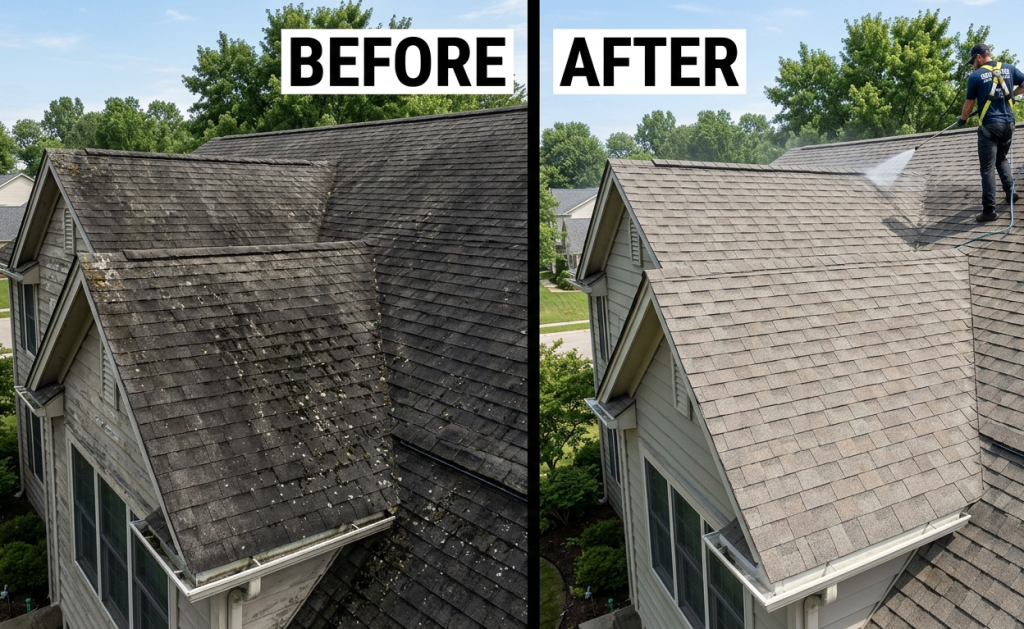
Local Pressure Washing Expertise Millsboro DE
How Much Does Pressure Washing Cost in Millsboro, DE?
Pressure washing costs in Millsboro, DE can vary based on the size of the property, surface being cleaned, level of dirt or buildup, and type of service required. Driveways, sidewalks, patios, siding, decks, fences, roofs, and larger commercial areas can each require different amounts of labor and cleaning time. The condition of the surface and whether additional treatments are needed can also affect the final price, so a property-specific quote is usually more accurate than a standard flat rate.
Hose Bros Inc provides pressure washing and soft washing services in Millsboro, DE for residential and commercial properties. Services can include exterior surfaces, concrete, driveways, patios, decks, fences, roofs, gutters, and other areas that need professional cleaning. Hose Bros Inc can assess the property and provide a free quote based on the specific cleaning requirements.
How Do I Choose a Pressure Washing Company in Millsboro, DE?
When choosing a pressure washing company in Millsboro, DE, consider experience, insurance, available services, cleaning methods, communication, and whether the company provides a clear quote. It is also helpful to ask how the company determines whether pressure washing or soft washing is appropriate for each surface. A professional evaluation can help prevent overly aggressive cleaning methods from being used on surfaces that require a gentler approach.
Hose Bros Inc serves Millsboro, DE with pressure washing and soft washing services for homes and businesses. The company offers exterior cleaning for surfaces such as concrete, siding, driveways, patios, decks, fences, roofs, and gutters. Customers can request a free quote and discuss the property’s specific cleaning needs before the work begins.
Why Choose Hose Bros Inc.

Local Knowledge That Works
We know the exact techniques needed for Bethany Beach properties, whether it’s a historic cottage or a modern commercial space. Our services are designed for the challenges that come with sea air and sandy soil.
Commercial Pressure Washing Every Surface Millsboro
We offer both soft wash cleaning services and high-pressure cleaning, using biodegradable products that are tough on grime but gentle on your siding, trim, and landscaping.
Honest, Professional Service
From the moment we arrive to the final walkthrough, you’ll get honest advice, clear communication, and respectful care from our trained technicians.
Ready for a Spotless Home? Contact Hose Bros Today!
At Hose Bros Inc., we believe that a clean property reflects pride in one’s community.
Our Proven Process – Pressure Washing Made Simple
Free Assessment
We inspect your property and suggest whether you need soft wash services, pressure washing, or a combination of both.
Commercial Pressure Washing Custom Quote Millsboro
Based on your goals and surfaces, we offer a transparent quote with no hidden fees.
Commercial Pressure Washing Prep Protection Millsboro
We take care to cover landscaping, secure delicate fixtures, and prep your property thoroughly.
Commercial Pressure Washing Execution Millsboro DE
Our trained team performs your chosen service be it power washing service, soft washing, or sealingwith attention to detail.
Pressure Washing Walkthrough Inspection Millsboro
Before we leave, we confirm the quality of our work and ensure you’re 100% satisfied.
Commercial Pressure Washing Maintenance Millsboro
Ask us about seasonal upkeep plans for your home pressure washing service or business.
Book Your Millsboro Pressure Washing Today
Make your home or business shine again with trusted Millsboro commercial pressure washing from Hose Bros Inc. Whether you’re battling mold on your siding or need a full-property refresh, we’ve got the tools and experience to do it right.
Call now or request a free quote online for high-quality pressure washing Millsboro property owners count on year-round.
Call Us
302-945-9470
Email Us
Info@HoseBrosInc.com
Working Hours
8:00AM-5:00PM (We will cater to anyone’s schedule if off hour work is needed)
Contact Us
Frequently Asked Questions
What pressure washing services does Hose Bros Inc. offer in Millsboro?
+Hose Bros Inc. has been serving Millsboro for over 15 years, offering comprehensive pressure washing services tailored to local businesses. Their expertise covers storefront cleaning, sidewalks, patios, building exteriors, and more. Using licensed and certified technicians equipped with professional-grade pressure washers and eco-friendly cleaning solutions, they address the unique challenges Millsboro properties face, such as salt air corrosion and dirt buildup. As a family-operated, BBB-accredited company, Hose Bros Inc. guarantees 100% satisfaction and transparent pricing, ensuring your commercial property looks pristine while maintaining safety and environmental standards.
How experienced is Hose Bros Inc. with pressure washing in Millsboro?
+With over 15 years of hands-on experience serving the Millsboro area, Hose Bros Inc. has developed a deep understanding of the local environment's effects on commercial properties. Their licensed and insured team has tackled a wide range of scenarios, from removing stubborn algae on coastal buildings to cleaning heavily trafficked sidewalks. This extensive experience enables Hose Bros Inc. to deliver consistent, high-quality results tailored to Millsboro's specific needs, backed by industry certifications and a reputation for reliability recognized by local business owners and property managers.
Are Hose Bros Inc.’s pressure washing services in Millsboro environmentally friendly?
+Yes, Hose Bros Inc. prioritizes eco-friendly practices in all their pressure washing services in Millsboro. They use environmentally safe, biodegradable cleaning solutions that are tough on grime but gentle on surrounding plants and pets. Their team is trained to apply the correct cleaning agents suited for Millsboro’s coastal environment, minimizing chemical runoff and protecting local ecosystems. This commitment to sustainability, combined with advanced soft wash and pressure washing technologies, ensures effective cleaning while supporting Millsboro’s environmental health.
Commercial Pressure Washing Properties Millsboro Served
+Hose Bros Inc. services a wide range of commercial properties throughout Millsboro, including retail house exteriors, homes, driveways, decks, sidewalks, and shopping centers. They understand the varied cleaning needs of different commercial facilities, from delicate signage to heavy-duty concrete surfaces. Their licensed technicians bring specialized expertise and equipment tailored to each property type, ensuring safe and effective cleaning that enhances curb appeal and prolongs the lifespan of the building exterior.
How much does pressure washing cost in Millsboro with Hose Bros Inc.?
+Pricing for pressure washing in Millsboro by Hose Bros Inc. varies depending on the size, surface type, and scope of the job. With over 15 years serving the area, Hose Bros Inc. offers transparent, competitive estimates that reflect the high quality and expertise of their service. Typically, they provide free on-site evaluations to understand your property's unique needs before offering a detailed, no-obligation quote. Their pricing includes the use of licensed technicians, advanced equipment, and eco-friendly products, ensuring excellent value for Millsboro businesses.
How quickly can Hose Bros Inc. schedule pressure washing services in Millsboro?
+Hose Bros Inc. understands the importance of timely service for Millsboro commercial clients and offers flexible scheduling to accommodate your property hours and minimize disruption. With over 15 years of experience, their reliable team can often provide same-week or next-day appointments, depending on availability. They also offer emergency and off-hour services for urgent cleaning needs, ensuring that Millsboro businesses can maintain a clean, welcoming environment without delaying operations.
Does Hose Bros Inc. provide guarantees or warranties for pressure washing in Millsboro?
+Absolutely. Hose Bros Inc., a trusted and BBB-accredited company in Millsboro, stands behind their pressure washing services with a 100% satisfaction guarantee. Their licensed and insured technicians ensure work is performed to the highest industry standards, and if any issue arises, they promptly address it at no extra cost. This commitment to quality and transparency has earned them numerous positive reviews from local businesses, making them a reliable choice for commercial cleaning needs in Millsboro.
What equipment and cleaning methods does Hose Bros Inc. use for Millsboro pressure washing?
+Hose Bros Inc. uses state-of-the-art, professional-grade pressure washing equipment combined with advanced soft wash techniques to safely and effectively clean a variety of commercial surfaces in Millsboro. Their licensed technicians are trained to select the appropriate pressure settings and eco-friendly detergents tailored to each surface type, such as concrete, brick, wood, or stucco. This expertise ensures thorough grime removal without damaging delicate materials, extending the lifespan of your commercial property’s exterior.
Can Hose Bros Inc. handle large pressure washing projects in Millsboro?
+Yes, Hose Bros Inc. has extensive experience managing large-scale pressure washing projects throughout Millsboro, including shopping centers, industrial facilities, and multi-building complexes. Their team’s expertise, combined with industrial-grade equipment and efficient project management, allows them to complete large jobs on time and within budget while maintaining high safety and quality standards. Their reputation as a local industry leader in Millsboro assures clients they can trust Hose Bros Inc. with complex commercial cleaning needs.
Is Hose Bros Inc. insured and licensed for pressure washing in Millsboro?
+Hose Bros Inc. is fully licensed, insured, and bonded to provide pressure washing services in Millsboro, ensuring peace of mind for property owners. Their compliance with all local regulations and industry safety standards reflects their professionalism and commitment to responsible business practices. This insurance coverage protects clients against liability, reinforcing Hose Bros Inc.'s trustworthy reputation built over 15+ years serving Millsboro's commercial sector.
What areas around Millsboro does Hose Bros Inc. serve for pressure washing?
+In addition to Millsboro, Hose Bros Inc. serves a broad area including The Landing, Lewes, Rehoboth Beach, and all of Sussex County. Their local roots and deep knowledge of the coastal and rural challenges unique to this region enable them to offer specialized pressure washing tailored to these environments. Businesses throughout these communities rely on Hose Bros Inc. for their expertise, eco-friendly solutions, and exceptional customer service.
How does Hose Bros Inc. ensure safety during pressure washing in Millsboro?
+Safety is a top priority for Hose Bros Inc. during every pressure washing job in Millsboro. Their licensed and trained technicians follow strict safety protocols, including the use of personal protective equipment and safe handling of high-pressure equipment. They also ensure surrounding areas are protected from damage or contamination, especially in busy commercial environments. Combined with their full insurance coverage and adherence to OSHA standards, Hose Bros Inc. provides a safe, hassle-free experience for Millsboro businesses.
Can Hose Bros Inc. remove graffiti and tough stains from commercial properties in Millsboro?
+Yes, Hose Bros Inc. specializes in removing graffiti, oil stains, mold, and other tough contaminants from commercial properties in Millsboro. Their experienced technicians employ industry-leading chemical treatments and pressure washing techniques that effectively break down and wash away stubborn marks without harming the underlying surfaces. With over 15 years serving Millsboro, Hose Bros Inc. has successfully restored the appearance of many local businesses, enhancing curb appeal and customer impressions.
Does Hose Bros Inc. offer routine pressure washing maintenance plans in Millsboro?
+Hose Bros Inc. offers customized routine maintenance plans designed to keep Millsboro commercial properties consistently clean and well-maintained. These plans are tailored based on property size, surface types, and local environmental conditions such as coastal salt buildup. With over 15 years of experience, their licensed team schedules regular cleanings to prevent grime accumulation, prolong surface life, and maintain a professional appearance. Their transparent pricing and 100% satisfaction guarantee make these plans a popular choice among Millsboro business owners.
How do I get a free estimate for pressure washing from Hose Bros Inc. in Millsboro?
+Getting a free estimate from Hose Bros Inc. is straightforward and customer-friendly. Millsboro business owners can contact them via phone or their website to schedule a no-obligation on-site evaluation. With over 15 years of local experience, their licensed technicians assess your property’s specific needs and provide a detailed, transparent quote. Hose Bros Inc.'s commitment to honest communication and customer satisfaction has made them one of Millsboro’s most trusted pressure washing providers.
What makes Hose Bros Inc. the trusted choice for pressure washing in Millsboro?
+Hose Bros Inc. has earned its reputation as a trusted pressure washing company in Millsboro through over 15 years of dedicated service, licensed and certified technicians, and a commitment to eco-friendly practices. Their BBB accreditation and numerous 5-star customer reviews highlight their reliability and professionalism. As a locally owned, family-operated business, they understand Millsboro’s unique environmental challenges and tailor their services accordingly, always ensuring transparent pricing and a 100% satisfaction guarantee.
Can Hose Bros Inc. clean commercial roofs in Millsboro using pressure washing?
+Yes, Hose Bros Inc. offers specialized commercial roof cleaning services in Millsboro using low-pressure soft wash techniques that safely remove algae, moss, and stains without damaging roofing materials. Their licensed technicians use eco-friendly cleaning solutions and industry best practices to protect your roof’s integrity while restoring its appearance. With over 15 years serving Millsboro’s commercial clients, Hose Bros Inc. brings trusted expertise and a satisfaction guarantee to every roof cleaning project.
Are Hose Bros Inc.’s pressure washing services available during all seasons in Millsboro?
+Hose Bros Inc. provides year-round pressure washing services throughout Millsboro, adapting techniques to seasonal weather conditions. With over 15 years of local experience, their licensed team understands how seasonal debris, salt air, and humidity impact commercial properties and adjusts cleaning schedules accordingly. This flexibility helps Millsboro businesses maintain a clean, professional appearance no matter the time of year, supported by Hose Bros Inc.'s reliable scheduling and commitment to customer satisfaction.
How does Hose Bros Inc. handle customer satisfaction for pressure washing in Millsboro?
+Customer satisfaction is central to Hose Bros Inc.'s operations in Millsboro. They back their pressure washing services with a 100% satisfaction guarantee and clear communication throughout the process. Licensed, insured technicians deliver consistent, high-quality results using industry-leading techniques and eco-friendly products. The company’s numerous positive reviews and BBB accreditation reflect their commitment to honest, reliable service tailored to Millsboro’s commercial clients’ needs.
Can Hose Bros Inc. pressure wash commercial patios and sidewalks in Millsboro?
+Absolutely. Hose Bros Inc. specializes in pressure washing of patios, sidewalks, and other hardscape surfaces throughout Millsboro. With over 15 years of experience, their licensed technicians use high-powered equipment and safe cleaning agents to remove oil stains, dirt, and grime that accumulate from heavy foot and vehicle traffic. Their local expertise ensures effective cleaning that enhances property appearance and safety, combined with transparent pricing and a strong satisfaction guarantee.